- (714) 308-4780
- Certified & Licensed
- Same-Day Emergency Service
Smoke & Soot Cleanup
Smoke & Soot Cleanup
Smoke & Soot Cleanup in Huntington Beach– Fire Residue Removal, Vacuuming & Odor Elimination
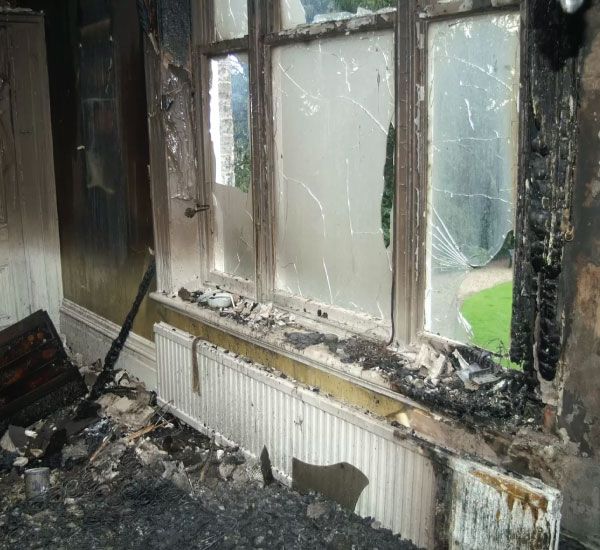
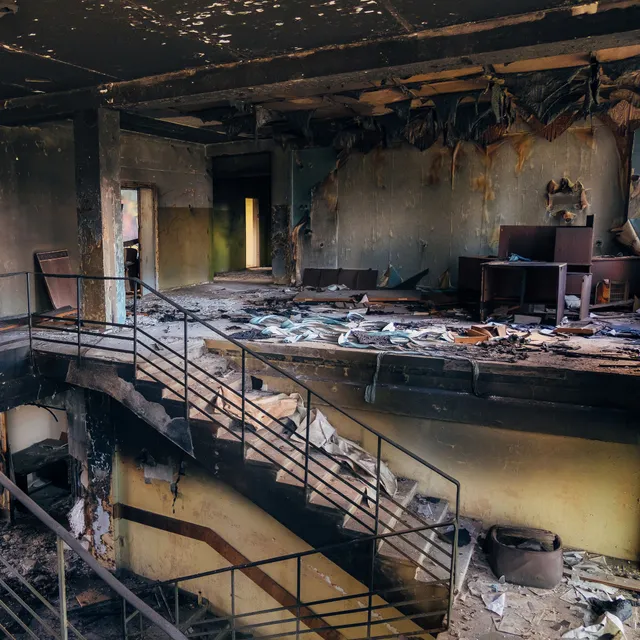
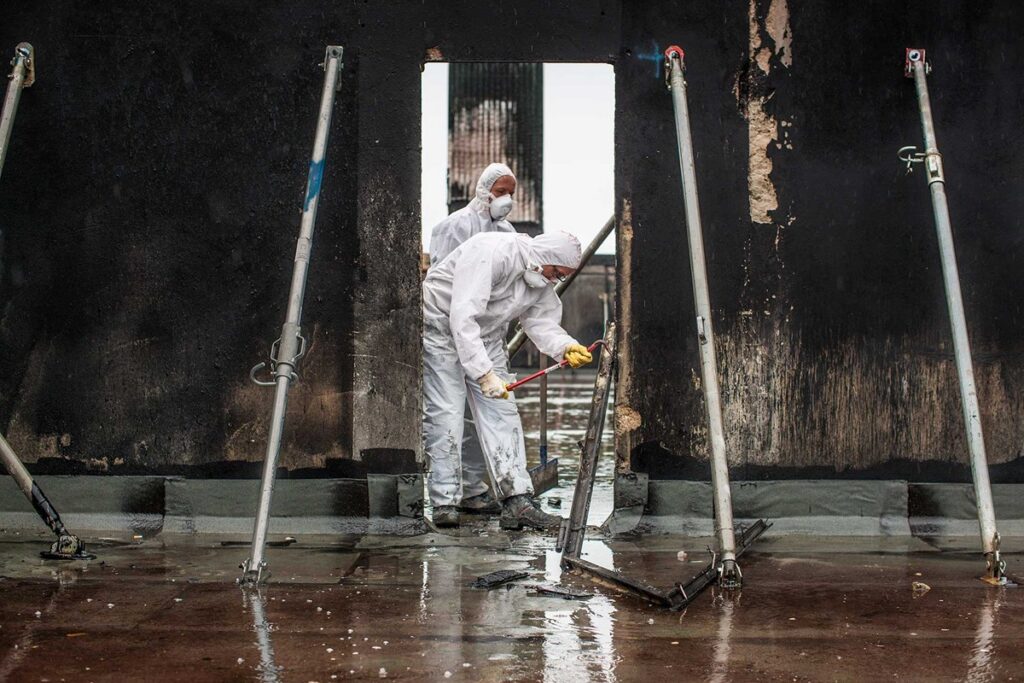
After a fire, the visible damage — charred materials, burned furnishings, structural char — represents only one dimension of the loss. Smoke and soot travel far beyond the fire’s physical reach, penetrating into every room, every cabinet, every duct, every fabric surface, and every porous building material connected to the structure. Soot deposits are acidic, corrosive, and, depending on the fuel source, potentially toxic. Without professional cleaning using the correct methods for each surface type and soot composition, smoke and soot damage continues actively deteriorating your home long after the flames are out.
If your Huntington Beach, California home has experienced a fire — of any size, in any location — Oceanview Construction Inc provides professional smoke and soot cleanup using HEPA vacuuming protocols, chemistry-matched cleaning agents, and odor neutralization technology. We respond within 60-minutes or less of your call, assess the full extent of smoke migration through the structure, and execute a cleaning plan calibrated to the specific soot types and surface materials present in your home.
Call us now at (714) 308-4780. Every hour soot remains on surfaces, it is actively etching and staining them. Response time is directly correlated to what can be saved.
Understanding Soot Types: Why Chemistry Matching Matters
Not all soot is the same, and applying the wrong cleaning chemistry to a soot type produces poor results — or actively makes the damage worse. Professional smoke and soot cleanup requires identifying the soot composition present and selecting cleaning agents and methods appropriate to that specific material.
Dry smoke residue, produced by fast-burning, high-heat fires fueled by natural materials like paper and wood, leaves a dry, powdery deposit that responds well to dry cleaning methods and HEPA vacuuming before any wet cleaning is introduced. Applying wet cleaning agents to dry smoke residue before vacuuming smears the deposit deeper into the surface.
Wet smoke residue, produced by slow-burning, smoldering fires fueled by plastics, foam, or synthetic materials, leaves a sticky, pungent, high-protein deposit that resists dry methods and requires wet alkaline chemistry and specific agitation techniques.
Protein residue — produced by kitchen fires involving food, grease, or cooking oils — is nearly invisible at the surface but produces an intense, persistent odor distributed in an ultra-fine film across all surfaces in the room. It requires enzyme-based chemistry specifically formulated for protein breakdown.
Oceanview Construction Inc identifies the soot types present in your Huntington Beach home during the initial assessment and sequences cleaning methods accordingly — dry cleaning before wet, HEPA vacuuming before any agitation, chemistry matched to fuel source and surface material.
The Mold Growth Timeline After Water Damage
Mold germination from dormant spores begins within 24 to 48 hours of sustained moisture exposure on organic surfaces at typical indoor temperatures. Within 3 to 5 days, germinated spores produce visible surface growth. Within 1 to 2 weeks, established colonies produce secondary spore release that redistributes contamination to previously unaffected surfaces throughout the structure.
This timeline is why Oceanview Construction Inc arrives within 60-minutes or less — because the 24-to-48-hour window between water intrusion and mold germination is not a planning window, it is an action window. Extraction, drying system deployment, and antimicrobial treatment are all components of a time-sensitive response sequence, and every hour of delay compresses the available window before colonization begins.
Why Choose Us
Our Smoke & Soot Cleanup Process
Structural Assessment and Soot Mapping
We assess the full extent of smoke and soot migration throughout the structure — not just the room of origin. Smoke travels through HVAC systems, through wall penetrations, under doors, and into enclosed spaces that appear unaffected from the outside. Thermal imaging can reveal soot deposits behind wall surfaces.
HVAC System Isolation
The HVAC system is isolated immediately upon arrival — both to prevent ongoing distribution of smoke particulate and to prevent any cleaning activities from introducing dislodged particulate into the air handling pathway. Duct cleaning is addressed after structural surfaces are cleaned.
Dry Cleaning and HEPA Vacuuming
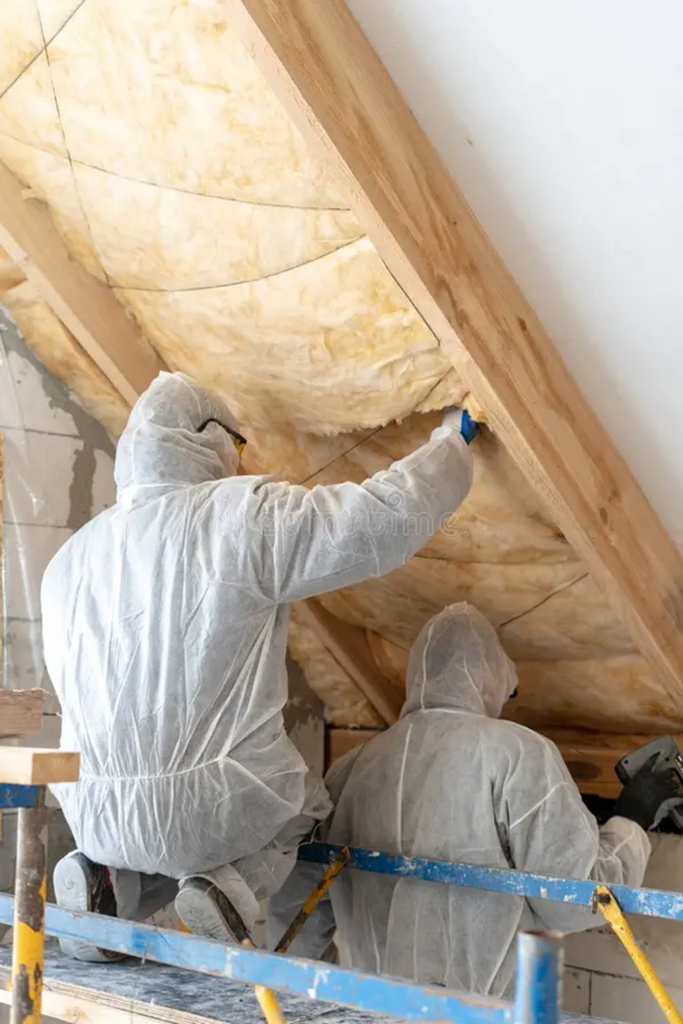
On surfaces where dry smoke residue is present, dry cleaning sponges and HEPA vacuum extraction are applied prior to any wet cleaning step. This removes the maximum particulate load before any chemistry is introduced — preventing the smearing and setting that wet cleaning applied over dry residue produces. HEPA vacuuming captures respirable-sized soot particles that standard vacuum filtration allows to pass through.
Chemistry-Matched Surface Cleaning
Following dry cleaning, wet cleaning agents matched to the identified soot composition are applied systematically across all affected surfaces — walls, ceilings, hard surfaces, cabinetry interiors, and any structural materials not requiring replacement. Alkaline chemistry for wet smoke, enzymatic chemistry for protein residue, and solvent-based agents for tar or heavy petroleum soot are deployed based on the specific materials and soot types present.
Content Cleaning and Pack-Out (If Indicated)
Soft contents — upholstered furniture, clothing, bedding, drapery — absorb smoke odor deeply and typically require off-site cleaning and ozone treatment at a controlled facility. We document content condition at the time of assessment to support insurance contents claims.
Odor Neutralization
Smoke odor that persists after surface cleaning has penetrated into porous structural materials and requires neutralization technology that reaches beyond the surface. We deploy hydroxyl generators, thermal fogging systems, or ozone treatment depending on the odor severity and the occupancy status of the structure.
HVAC Duct Cleaning
Following structural surface cleaning, the HVAC duct system is inspected and cleaned to remove smoke particulate deposited in supply and return lines during the fire event. Ducts not cleaned after a smoke event will redistribute odor and particulate every time the system operates.
Smoke & Soot Damage in Huntington Beach: Why Fast Response Protects More
Soot is chemically acidic and begins etching and staining porous surfaces within hours of deposition. Metal surfaces begin oxidizing within days. The cost difference between restoration and replacement in smoke damage scenarios is directly driven by response time. Oceanview Construction Inc serves Huntington Beach, California and surrounding communities including Fountain Valley, Costa Mesa, and Seal Beach with the equipment, chemistry, and protocols to respond immediately and maximize what can be cleaned and restored.
Seasonal risks include:
- Heavy rainfall causing basement flooding
- Freeze-thaw cycles leading to burst pipes
- Snowmelt increasing foundation pressure
Oceanview Construction Inc knows Huntington Beach and the surrounding Orange County beach cities because we live and work here. We understand local construction methods, coastal property challenges, and common damage issues better than out-of-area restoration companies.
Insurance Coverage for Smoke and Soot Damage
Smoke and soot damage resulting from a fire event is covered under the standard dwelling and personal property sections of most homeowners policies. Oceanview Construction Inc works with USAA, Auto Club, Nationwide, Mercury, and Farmers and provides the complete damage documentation, cleaning logs, and content inventories your adjuster needs to process your claim fully and accurately.
- 24/7 Emergency Service
- Fast Response
- Certified Experts
Smoke & Soot Damage in Huntington Beach? Call Now!
Every hour soot remains on your surfaces it is etching, staining, and setting deeper. Oceanview Construction Inc responds within 60-minutes or less, identifies the soot types present, and executes a professional cleaning sequence that maximizes what is saved and minimizes what must be replaced. We work with USAA, Auto Club, Nationwide, Mercury, and Farmers and document every step of the process.
Call Oceanview Construction Inc at (714) 308-4780 now. Available 24/7. Chemistry-matched protocols. Verified results.
FAQs
Everything You Need to Know About Restoration
Household cleaners are not formulated for the soot types produced in residential fire events, do not provide the pH chemistry needed to neutralize acidic soot residue, and consumer cleaning methods applied without proper sequencing smear and set soot deeper into surfaces rather than removing it.
Almost certainly yes. Smoke and the finest soot particles from even a contained kitchen fire travel through the entire home via air currents, the HVAC system, and through gaps around doors and mechanical penetrations. A full structural assessment is the only way to know the actual extent.
Kitchen fires with smoke migration to adjacent rooms typically take 3 to 7 days. Larger structural fire events may take 2 to 4 weeks for complete remediation and odor neutralization. We provide a project-specific timeline following the initial assessment.
We serve Huntington Beach, California and surrounding communities including Fountain Valley, Costa Mesa, and Seal Beach. Call (714) 308-4780 for immediate fire damage response.