- (714) 308-4780
- Certified & Licensed
- Same-Day Emergency Service

Basement Mold
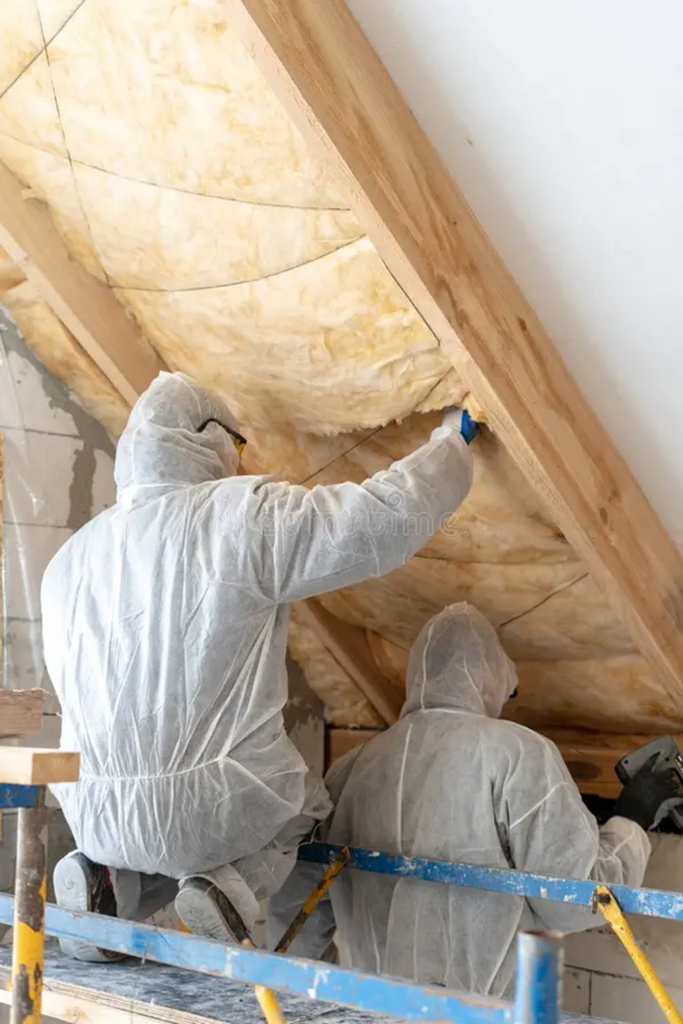
Basement Mold
Basement Mold Cleanup in Huntington Beach, California – Efflorescence, Chronic Moisture & Structural Mold Remediation
Basement mold is rarely the result of a single event. In most cases, it is the product of chronic moisture conditions — groundwater seeping through foundation walls, condensation on below-grade surfaces, inadequate drainage, or the cumulative effect of years of elevated relative humidity in a space with limited natural airflow. The white chalky deposits you see on concrete block walls — efflorescence — are not mold, but they are evidence of the same water migration through foundation materials that creates the conditions mold requires. When efflorescence and mold growth are both present, the story is the same: water has been moving through this structure for a long time.
Oceanview Construction Inc provides professional basement mold cleanup throughout Huntington Beach, California and the surrounding communities. We address active mold growth under proper remediation protocols, identify and document the chronic moisture conditions driving the problem, and work with you to implement the corrective measures that prevent recurrence. We respond within 60-minutes or less of your call, 24 hours a day, 7 days a week.
Call us now at (714) 308-4780. Basement mold detected early costs significantly less to address than basement mold discovered after months or years of growth.
Understanding Efflorescence: The Warning Sign Before the Mold
Efflorescence is the white, powdery or crystalline deposit that forms on the surface of concrete, concrete block, brick, and mortar when water moves through these materials and carries dissolved salts to the surface. It is not a structural failure and it is not mold — but it is unambiguous evidence of active water migration through the foundation assembly, and water migration through a foundation creates the moisture conditions on the interior side that mold requires.
Homeowners in Huntington Beach who observe efflorescence on their basement walls and do not act on it will, with time, observe mold growth on adjacent framing, drywall, stored materials, and finish surfaces. The water is there. The organic materials for mold to colonize are there. The enclosed, poorly ventilated environment of a below-grade space creates the humidity retention that completes the picture. Efflorescence is the warning; mold is what happens when the warning goes unaddressed.
Why Choose Us
Our Basement Mold Cleanup Process
Full Basement Assessment and Moisture Investigation
We conduct a thorough assessment of all visible mold growth — location, surface coverage, material type, and estimated colonization depth — combined with moisture readings throughout the basement space. We identify evidence of water entry pathways: active seepage at cracks or block mortar joints, staining patterns indicating historical flooding, HVAC condensation contribution, and any plumbing leaks. Understanding the moisture dynamics of your specific basement is essential to designing a remediation approach that produces lasting results.
Containment Establishment
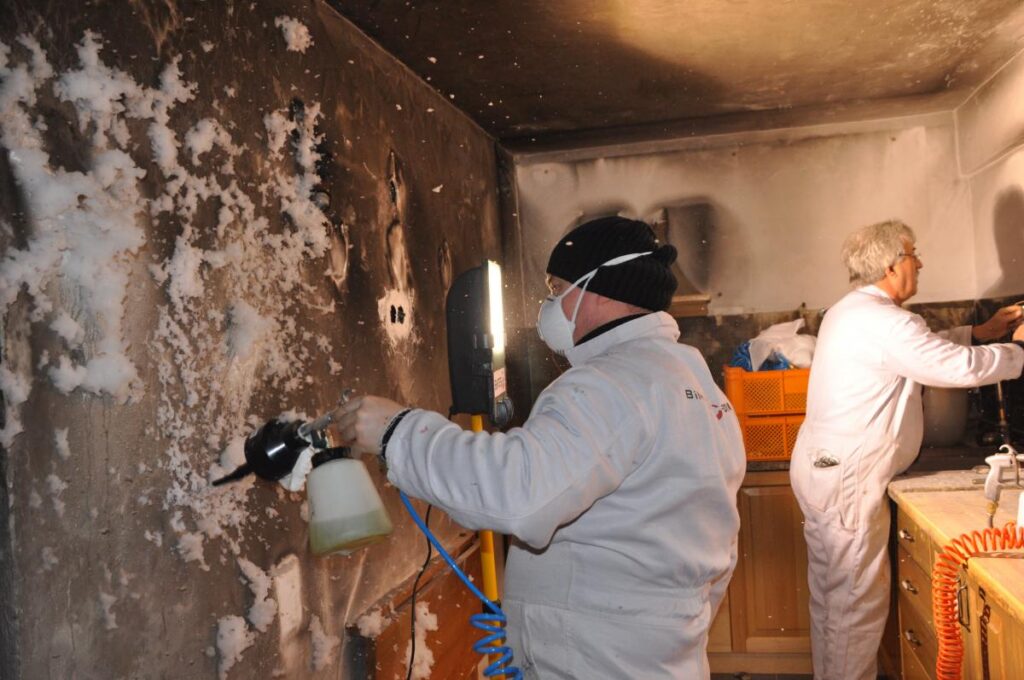
We establish containment barriers and negative air pressure with HEPA filtration in the affected area before any remediation work disturbs existing mold growth. In finished basements where mold is present in wall cavities or behind paneling, containment prevents spore distribution into the upper living areas via stairwells and HVAC connections.
Affected Material Removal
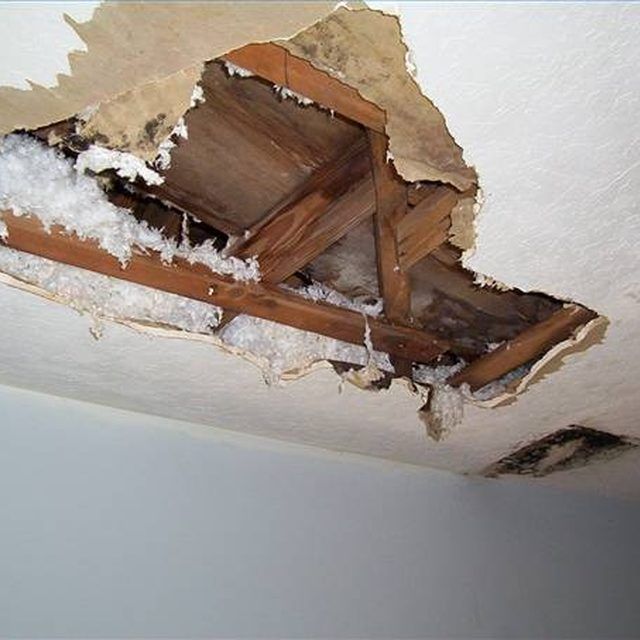
Mold-contaminated materials that cannot be adequately remediated in place — drywall, paneling, carpet, insulation, stored contents in contact with mold — are removed and properly disposed of under containment. Framing and structural materials are evaluated on a case-by-case basis.
Concrete and Masonry Surface Treatment
Efflorescence on concrete and block foundation walls is mechanically removed prior to fungicidal treatment — mineral salt deposits on the surface prevent proper penetration of treatment agents. Underlying concrete and masonry surfaces are treated with EPA-registered fungicides appropriate for non-porous mineral substrates.
HEPA Vacuuming and EPA-Registered Fungicide Application
All remediated surfaces within the containment zone are HEPA vacuumed following mechanical removal procedures, then treated with EPA-registered antimicrobial agents. Encapsulant is applied to structural surfaces where indicated.
Dehumidification and Airflow Correction
Following remediation, we address the chronic humidity conditions that drove the mold growth. Dedicated basement dehumidification — properly sized to the space — combined with any indicated drainage or waterproofing improvements provides the ongoing moisture control that prevents recurrence. A remediated basement without humidity control will re-develop mold.
Clearance Verification
Post-remediation clearance assessment confirms that mold levels in the treated area have been reduced to acceptable standards before reconstruction proceeds. Documentation of the clearance process is included in the complete project record for insurance and occupant health purposes.
Basement Mold Conditions in Huntington Beach: A Regional Pattern
The geology and housing history of Huntington Beach, California produce basement mold conditions with notable consistency. Clay-rich soils throughout much of the region retain water at the foundation perimeter, maintaining hydrostatic pressure against below-grade walls through prolonged wet periods. Block foundation construction — predominant in residential builds across Huntington Beach and surrounding communities like Fountain Valley, Costa Mesa, and Seal Beach through several decades of the twentieth century — allows water infiltration through mortar joints and block cores.
Basements that were finished without attention to moisture control — drywall installed directly against block walls, carpet laid on concrete slabs without vapor barrier underlayment, no dedicated dehumidification — are the most common source of significant basement mold claims in this area. Oceanview Construction Inc has seen this pattern throughout Huntington Beach and Fountain Valley, Costa Mesa, and Seal Beach and addresses it with both remediation and the environmental corrections that make the result permanent.
Seasonal risks include:
- Heavy rainfall causing basement flooding
- Freeze-thaw cycles leading to burst pipes
- Snowmelt increasing foundation pressure
Oceanview Construction Inc knows Huntington Beach and the surrounding Orange County beach cities because we live and work here. We understand local construction methods, coastal property challenges, and common damage issues better than out-of-area restoration companies.
Insurance and Basement Mold in Huntington Beach
Coverage for basement mold remediation depends on the moisture source. Mold resulting from a sudden covered event may fall within a standard homeowners policy’s mold coverage sub-limit. Mold resulting from chronic seepage or humidity accumulation is typically considered a maintenance condition outside standard coverage. Oceanview Construction Inc works with USAA, Auto Club, Nationwide, Mercury, and Farmers and will help you understand your coverage situation from the first call.
- 24/7 Emergency Service
- Fast Response
- Certified Experts
Call Now for a Complete Assessment and Remediation Plan.
Basement mold does not stay contained in the basement. It affects air quality throughout the home, deteriorates the framing and subfloor that supports the floors above it, and grows with every season that the underlying moisture conditions go uncorrected. Oceanview Construction Inc responds within 60-minutes or less, remediates existing growth under proper protocols, and delivers the moisture control corrections that produce a permanent result.
Call Oceanview Construction Inc at (714) 308-4780 now. Available 24/7. Chronic moisture expertise. Verified remediation. Local team.
FAQs
Everything You Need to Know About Restoration
Efflorescence itself is not a health hazard — it is a mineral deposit. But it is a reliable indicator of active water movement through your foundation that will, if unaddressed, lead to mold growth on adjacent organic materials. Treat efflorescence as a warning and call (714) 308-4780 for an assessment.
No. Mold-resistant paint is designed to resist future surface colonization on properly prepared, clean, dry surfaces — it is not a remediation agent. Painting over active mold growth encapsulates live colonies and will peel and fail as the mold beneath it continues to degrade the surface.
A properly sized, continuously operating dehumidifier is one of the most effective mold prevention measures for below-grade spaces. Combined with any indicated waterproofing improvements, dedicated dehumidification maintains the humidity levels at which mold cannot colonize — typically below 50-55% relative humidity.
We serve Huntington Beach, California and surrounding communities including Fountain Valley, Costa Mesa, and Seal Beach. Call (714) 308-4780 to schedule an assessment.